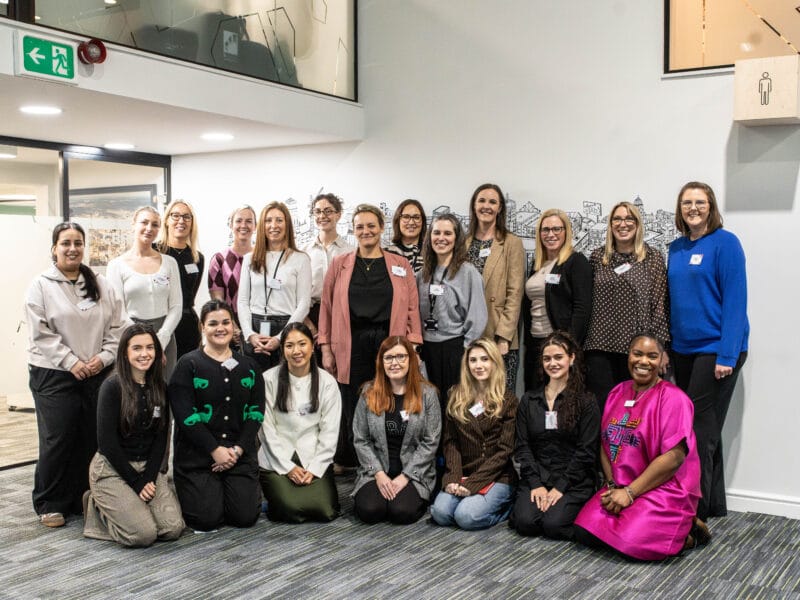





This LGBTQ+ History Month, Stonewall, a leading UK charity dedicated to promoting equality and human rights for LGBTQ+ individuals has chosen Science and Innovation as its theme, encouraging us to not only reflect on the past, but to consider how research, data and creative approaches can drive meaningful progress.
The theme reminded us here at Wellington Place that ground breaking ideas don’t always emerge from laboratories or studios filled with equipment. Sometimes, innovation begins with something more subtle, like a shift in perspective.
At Wellington Place, nurturing these shifts is a key part of our approach to placemaking, creating spaces, experiences and connections that allow people to feel a genuine sense of belonging.
Our recent LGBTQ+ Art History Workshop was a perfect example of this in action, bringing our community together to explore how identity shapes the way we view place. Not only was it a warm, creative and insightful workshop, but through ticket sales, we also raised funds for Out Together, a charity supporting the older LGBTQ+ community in Leeds and beyond.
During the workshop, participants were invited to examine landscape art through an LGBTQ+ lens, focusing on three influential artists whose work continues to challenge assumptions and inspire fresh perspective. Here’s what we learned…
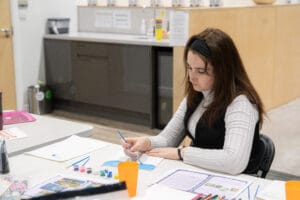
Exploring place through an LGBTQ+ lens
During the workshop, artist Jude Allen introduced us to three LGBTQ+ artists, all presenting identity through landscapes in a unique way.
David Hockney
Hockney’s bold colours and unconventional perspectives reimagined familiar landscapes as joyful expressions of identity. His work shows how a place can transform depending on the person experiencing it which is a valuable reminder for anyone passionate about building inclusive spaces.
Bhupen Khakhar
Khakhar blended Indian artistic traditions with modernism, creating narrative-rich landscapes that reflect the complexities of queer identity within layered social contexts. His work illustrates how place is shaped not only by geography, but by culture and community.
Ethel Sands
Sands’ gentle, intimate compositions express ideas of belonging, chosen family, and shared spaces. Her approach highlights how placemaking is not just physical, it’s emotional and relational too.
Together, these artists demonstrated that innovation in art doesn’t solely come from technique, but from the courage to share a viewpoint the world may not have fully seen before.
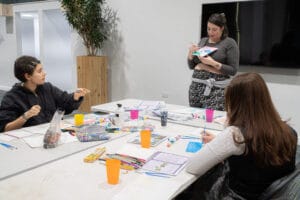
Creating places of our own
Inspired by these artists, members of our neighbourhood then turned to their own canvases, crafting acrylic landscapes that reflected their personal stories, memories and connections to place.
Although the workshop has come to a close, the ideas it sparked will continue to resonate throughout LGBTQ+ History Month. This year’s theme of science and innovation encouraged us to think differently, challenge norms and embrace new ways of experiencing the world. Values that are at the heart of meaningful placemaking.
Whether through art, community action or everyday interactions, each of us has the power to shape the world around us in more inclusive and imaginative ways. And at Wellington Place, we’ll continue creating opportunities that help our community connect, celebrate diversity, and see our shared spaces through fresh eyes.
Happy LGBTQ+ History Month! And, if you’d like to see what workshops we have coming up, find out more via our events schedule here.